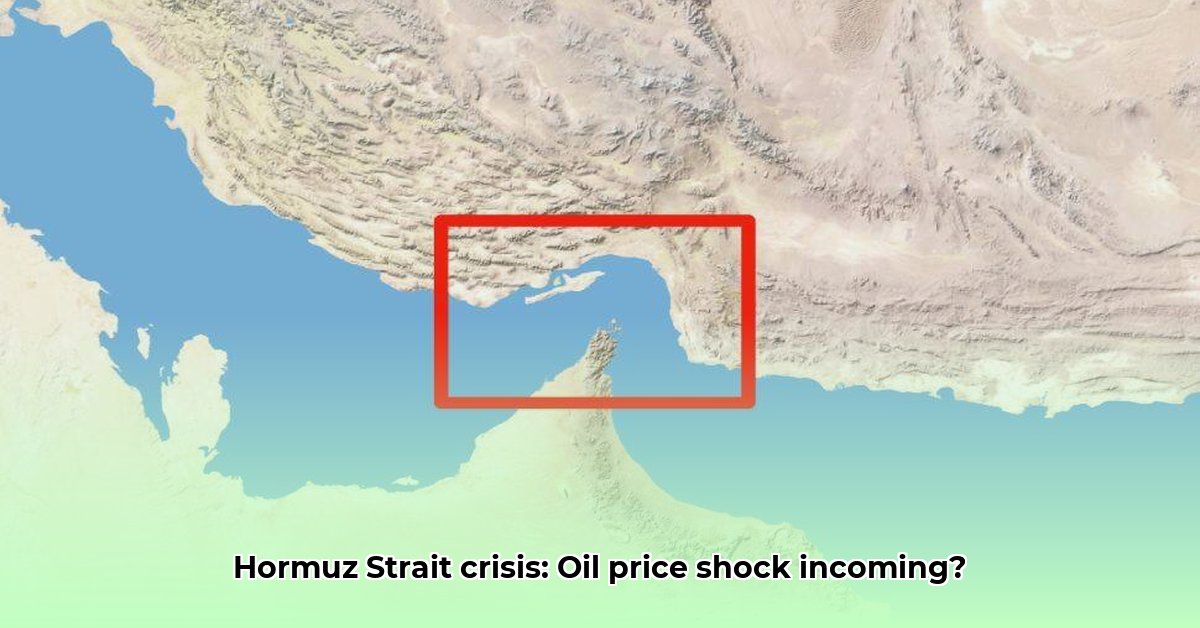
Strait of Hormuz: A Critical Global Chokepoint
The Strait of Hormuz, a narrow waterway between Iran and Oman, is far more than just a geographical feature; it's a crucial artery for the global oil trade, transporting approximately 20% of the world's oil supply. Any disruption to this vital transit route carries significant implications for global energy markets and the broader economy. This analysis examines the potential risks, the key players involved, and strategies for mitigation. Understanding the dynamics of this region is paramount for navigating potential future energy crises. For more on regional conflicts, see this analysis.
Potential Shutdown: Cascading Economic Consequences
Iran's geographical position grants it considerable leverage over the Strait of Hormuz. While a complete closure is unlikely due to the severe economic repercussions for Iran itself, even partial disruption or targeted attacks could send shockwaves through global energy markets. A reduction in oil supply would immediately lead to price spikes, potentially triggering hyperinflation. This ripple effect would impact global supply chains, increase transportation costs, and lead to escalating prices for everyday goods and services across the globe. This scenario presents a clear and present danger, not a theoretical one. According to Dr. Anya Schiffrin, Senior Fellow at the Carnegie Endowment for International Peace, "Even a temporary disruption can have devastating consequences, causing widespread economic hardship and potentially igniting social unrest."
Alternative Routes: Limited Capacity
While alternative oil transportation routes exist, notably pipelines across the Arabian Peninsula, their capacity is far below the volume handled by the Strait of Hormuz. These alternatives can provide some level of mitigation, but they cannot replace the Strait's role entirely. This limitation highlights the urgent need for diversification of energy sources and the development of more resilient supply chains. Imagine trying to drain a swimming pool with a teaspoon – that's the scale of the challenge.
Geopolitical Dynamics: A Complex Interplay
The geopolitical landscape surrounding the Strait of Hormuz is exceedingly complex. Iran's actions must be viewed within the wider context of existing regional tensions, including its relationship with Israel, the United States, and other regional actors. The responses of major oil-consuming nations like China, India, Japan, and South Korea are equally critical in determining the overall trajectory. This situation is a high-stakes geopolitical chess match with potentially devastating consequences. As Professor John Mearsheimer of the University of Chicago eloquently stated, “The Strait of Hormuz is a tinderbox, where any spark can quickly escalate into a major regional conflict with global repercussions.”
Mitigation Strategies: A Coordinated Approach is Key
Addressing the risks associated with the Strait of Hormuz requires a concerted, multifaceted strategy involving various stakeholders:
Oil-Importing Countries: Immediate actions include strategic oil stockpiling and exploration of alternative energy sources. Long-term strategies involve substantial investment in renewable energies and the creation of more robust and diversified supply chains.
Oil-Exporting Gulf States: Short-term responses involve upgrading existing pipelines and enhancing security measures along existing routes. Long-term plans focus on expanding pipeline capacity and developing new export routes to ensure energy supply resilience.
US and Allies: Maintaining a robust naval presence in the region is crucial for deterring aggression. Development and regular testing of comprehensive contingency plans are essential for swift and decisive responses to potential crises. This should also involve diplomatic efforts to de-escalate tensions.
International Organizations: Facilitating dialogue and promoting international cooperation is crucial for conflict prevention. Strengthening maritime security and facilitating collaborative responses in the case of disruption is a key role.
Iran: Recognising the economic and geopolitical risks associated with disrupting the Strait of Hormuz is crucial. Prioritising peaceful conflict resolution could enable Iran to achieve economic and international security without resorting to confrontation.
Uncertainties and Future Outlook
While the strategic importance of the Strait of Hormuz is undeniable, significant uncertainties remain. The precise nature and duration of any disruption, the effectiveness of mitigation strategies, and the full extent of economic consequences are all subject to evolving geopolitical dynamics and unforeseen events. The need for proactive measures and continued research into alternative energy sources and geopolitical risk management is paramount. According to Rear Admiral (Ret.) Mark Montgomery, Senior Fellow at the Atlantic Council, "We face a complex interplay of factors, with geopolitical uncertainty further complicating our ability to accurately predict the future."
Addressing the Risks: A Call to Action
The Strait of Hormuz presents a critical point of vulnerability in the global energy system. A coordinated international response, combining diplomatic efforts, proactive risk management strategies, and a long-term shift towards renewable energy sources, is vital to mitigating the substantial risks associated with this vital waterway. The economic and geopolitical ramifications of even partial disruption are severe, demanding a proactive and comprehensive approach from all stakeholders. Are we prepared? Only time will tell.